

Lucky Jet by 1win is a fast-paced online casino game that relies on timing, anticipation, and a bit of luck. For players from Multi, every millisecond can change the feel of the round — and sound latency plays an often-overlooked role. This review examines how audio delays influence player performance, immersion, and decision-making in Lucky Jet, offering practical tips and perspectives from various angles.
What Is Sound Latency and Why It Matters in Lucky Jet
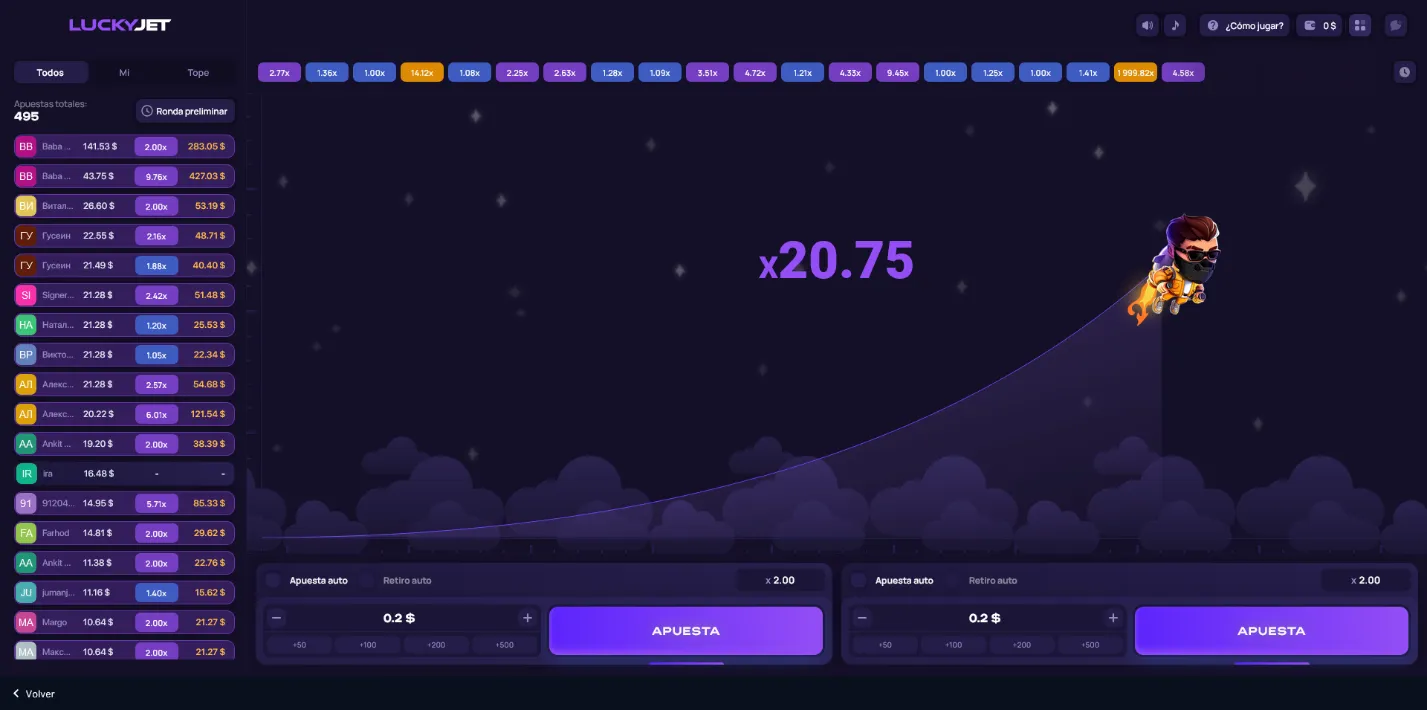
Sound latency is the delay between an event occurring in the game (for example, the jet taking off or a multiplier rising) and the player hearing the corresponding audio cue. In a game like Lucky Jet, where visual and audio cues combine to inform split-second cash-out decisions, latency can tilt the experience.
Timing and Reaction
Players often rely on the crescendo of sound effects — engine roar, alert blips, or a rise in soundtrack intensity — to anticipate the best cash-out moment. A lag of even 50–150 ms can make those cues arrive too late, causing players to react slower or misjudge safe cash-outs versus crash moments.
Psychological Effects
Latency can change perceived game pace. When audio lags, the game feels sluggish or disjointed, undermining immersion. Conversely, perfectly synchronized sound enhances excitement and encourages confident plays. For some players from Multi who favor sensory immersion, audio mismatch can reduce trust in the interface.
How Sound Latency Manifests in Different Setups
How Sound Latency Affects Lucky Jet Players
Not all players experience the same degree of latency. Several factors contribute:
- Device processing: Older phones or heavily loaded browsers introduce audio delays.
- Network buffering: Cloud-delivered audio assets may lag with unstable connections.
- App vs browser: Native apps generally handle audio with lower latency than mobile browsers.
- Audio pipeline: Bluetooth headsets add several dozen milliseconds compared to wired headphones.
Mobile App (1win) vs Browser Play
Multi players often switch between the 1win app and browser versions. The app typically provides lower audio latency due to direct audio APIs and optimized buffering. However, improperly coded apps or background processes can still introduce delays.
Wi‑Fi, Mobile Data and Public Networks
Network jitter affects streaming audio and can lead to intermittent lag spikes. Public Wi‑Fi or weak cellular coverage increases the chance that audio cues will arrive inconsistently, which is particularly harmful during high-stakes rounds.
Consequences for Gameplay and Bankroll Management
The practical impact of sound latency extends beyond annoyance; it can influence win/loss patterns and long-term bankroll decisions.
Missed Cash-Outs and Timing Errors
Players who time cash-outs to audio crescendos may miss optimal windows when latency delays the cue. A few missed opportunities over numerous rounds compounds into a significant difference in expected returns over time.
Behavioral Shifts
Some players adopt conservative strategies when unsure about audio timing, cashing out earlier to avoid crashes. Others may develop overcompensation habits — waiting longer because they expect audio to lag, which can increase losses.
Mitigation Strategies for Players from Multi
Reducing the impact of sound latency involves both technical fixes and behavioral adjustments. Below are actionable steps:
- Use the 1win native app where possible; it usually has better audio handling than browsers.
- Prefer wired headphones or the device’s built-in speaker over Bluetooth to minimize extra delay.
- Close background apps and browser tabs to free CPU cycles and reduce processing delay.
- Choose a stable, low-latency network: strong Wi‑Fi or consistent mobile data instead of public hotspots.
- Trust visual cues more than audio for critical timing decisions; use audio as a secondary confirmation.
Experience Report: A Typical Session Affected by Latency
Imagine a Multi player starting a streak on Lucky Jet at lunch. They use Bluetooth earbuds and a café Wi‑Fi. Early rounds feel off: the engine sound begins fractionally after the visual rise, causing hesitation. The player misses two timely cash-outs and, feeling uneasy, switches to a safer minimum bet strategy. On moving outdoors with better data, the app syncs better, and confidence returns. The example shows how latency can alter risk appetite and short-term betting choices.
Design Considerations by Game Developers
Developers can reduce player frustration by prioritizing audio synchronization in game loops. Techniques include preloading essential audio assets, reducing cross-thread audio dispatch, and offering in-game settings for audio sync calibration. Transparency helps too: an indicator showing connection health or audio lag warnings can prevent misattribution of losses to the game mechanics.
Questions and answers
frequently asked questions
-
Q: Can sound latency affect win probability in Lucky Jet?
A: Indirectly. Latency affects player decisions, which can change outcomes at the session level even though the underlying RNG is unchanged. -
Q: Is the 1win app better than browser play for audio?
A: Generally yes — apps often have lower audio latency due to direct audio API usage and optimized buffering.
Expert feedback
Experienced Player
“I switched from Bluetooth headphones to wired and saw immediate improvement in timing. For Lucky Jet, that small change made my cash-outs feel more consistent.”
Table
with the main parameters of the game
| Parameter | Value |
|---|---|
| Developer | 1win (Lucky Jet) |
| Game Type | Multiplier crash-style |
| Typical Round Duration | 3–10 seconds |
| Critical Cues | Visual multiplier rise, engine audio, alert blips |
| Best Setup | 1win app, wired audio, stable connection |
Practical Tips for Competitive Play
For Multi players seeking better consistency:
- Perform a quick audio test before sessions: open a demo round and compare audio/visual synchronicity.
- Set a pre-defined cash-out threshold based on visual feedback to reduce reliance on potentially delayed audio.
- Use session logs to spot patterns: if losses cluster during suspected lag periods, change location or hardware.
Final Thoughts
Sound latency is a subtle but meaningful factor for Lucky Jet players. While it doesn’t alter the game’s fairness or RNG, it can change player behavior, timing, and ultimately, session results. Players from Multi who optimize their audio setup and prioritize visual confirmation will minimize latency’s negative effects. Developers who focus on synchronization and provide diagnostic tools will create a fairer and more enjoyable experience for everyone.