
Defense contractors are uniquely positioned to honor service through action by hiring veterans. These skilled professionals bring unmatched experience and dedication, directly strengthening national security and project success. It’s a strategic advantage that builds a more resilient future for both industry and nation.
The Current Landscape of Veteran Employment in Defense Contracting
The transition from military service to the civilian workforce is a journey, and for many veterans, the path leads directly back to the defense sector. The current landscape of veteran employment in defense contracting is both a natural fit and a competitive arena. Companies actively seek those with security clearances and hands-on experience with complex systems, valuing a proven understanding of defense procurement processes. However, the shift from uniformed operator to corporate contributor requires navigation. While opportunities abound in logistics, program management, and engineering, the challenge lies in effectively translating military skills into the language of commercial contracting and corporate culture, a mission many organizations and the veterans themselves are diligently undertaking.
Q: Why are veterans so sought after in defense contracting?
A: They possess invaluable, often immediate, operational knowledge of defense systems and established security clearances, which are costly and time-consuming for companies to obtain.
Q: What is a key challenge veterans face in this sector?
A: Translating their unparalleled tactical experience into the specific business frameworks, jargon, and profit-driven objectives of the corporate contracting world.
Statistical Overview of Veteran Hiring Rates
The current landscape of veteran employment in defense contracting remains a strategic priority, yet faces evolving challenges. While companies actively recruit for their security clearances and technical acumen, **transitioning military talent** often encounters mismatches between military occupational specialties and precise commercial role requirements. The sector’s shift toward cybersecurity, AI, and space domains creates high demand for veterans with these niche skills, but competition from the commercial tech sector is intense. Success now hinges on contractors offering robust upskilling programs and dedicated career pathing to fully leverage this invaluable talent pool.
Key Defense Contractors and Their Public Veteran Hiring Goals
The current landscape of veteran employment in defense contracting remains a strategic priority, leveraging their specialized skills and security clearances. Companies actively recruit veterans for their operational expertise in fields like cybersecurity, logistics, and systems engineering, which are critical to national security contracts. This focus on military talent acquisition helps bridge the skills gap in a high-demand sector. However, challenges persist in translating informal military experience into corporate qualifications and ensuring long-term career progression beyond initial hiring.
Q&A:
Q: Why are veterans heavily recruited for defense contracting?
A: Their hands-on experience with defense technologies, existing security clearances, and understanding of military protocols provide immediate value and reduce training time.
Common Roles and Career Pathways for Veterans
The current landscape of veteran employment in defense contracting remains a strategic priority, leveraging their specialized skills and security clearances. Companies actively recruit veterans for their operational expertise in fields like cybersecurity, logistics, and systems engineering, which are critical for national security contracts. However, challenges persist in translating military experience to corporate roles and navigating the civilian hiring process. This focus on military talent acquisition is essential for maintaining a skilled workforce capable of executing complex government projects and supporting the defense industrial base effectively.
Advantages of Hiring Veterans for Defense Contractors
Hiring veterans offers defense contractors a direct strategic advantage. They bring proven experience with military systems, protocols, and a deep understanding of the end-user’s needs, which accelerates project timelines and reduces costly training. Their ingrained discipline and ability to perform under pressure enhance team reliability and safety culture. Furthermore, their real-world operational expertise is invaluable for developing practical, effective solutions, giving companies a serious edge in competitive government contracting. It’s a smart move that builds a stronger, more capable workforce.
Q: Aren’t veterans’ skills too specialized?
A: Not at all! While their technical skills are a huge plus, their real value is in soft skills like leadership, adaptability, and mission-focused problem-solving, which benefit every team.
Security Clearances and Expedited Onboarding
Hiring veterans offers defense contractors significant operational advantages. These individuals possess directly applicable security clearances and hands-on experience with complex military systems, drastically reducing onboarding time and training costs. Their ingrained understanding of **defense contractor workforce requirements** ensures seamless integration into projects involving sensitive technology and strict protocols. Furthermore, veterans bring proven leadership, adaptability under pressure, and a mission-focused ethos that enhances team reliability and project execution in high-stakes environments.
Technical Proficiency and Systems Knowledge
Hiring veterans provides defense contractors with an unparalleled operational advantage. These professionals bring directly relevant experience, having operated and maintained the very systems under contract. This translates to faster onboarding, reduced training costs, and superior problem-solving in complex, high-stakes environments. Their ingrained discipline and understanding of **military procurement processes** ensure seamless integration and mission-focused execution.
Veterans possess a proven, real-world understanding of national security protocols that cannot be taught in a classroom.
This deep-seated integrity and security-conscious mindset fortify a company’s compliance and safeguard sensitive projects, building exceptional trust with government clients.
Leadership, Discipline, and Mission-Oriented Mindset
Hiring veterans offers defense contractors a direct strategic advantage. These professionals bring proven experience with military systems, complex protocols, and mission-critical thinking from day one. This translates to faster project integration, reduced training costs, and more effective problem-solving on sensitive programs. Their ingrained understanding of the end-user’s needs ensures deliverables are practical and reliable. Leveraging military talent is a powerful way to enhance project outcomes and build a more capable workforce.
Challenges and Barriers to Veteran Employment
Veterans face a unique set of challenges when transitioning to the civilian workforce. A significant civilian-military skills gap often leads employers to misunderstand how military experience translates, overlooking leadership and logistical expertise. Invisible wounds like PTSD or TBI can create additional hurdles, compounded by a lack of civilian professional networks. Overcoming these barriers requires proactive effort from both veterans, who must effectively articulate their value, and employers, who must commit to veteran hiring initiatives and dedicated support programs to fully leverage this exceptional talent pool.
Translating Military Skills to Civilian Job Descriptions
Veterans face a unique set of challenges and barriers to employment that can hinder their transition to the civilian workforce. A significant hurdle is **translating military skills to civilian resumes**, where their invaluable experience in leadership, logistics, and crisis management is often misunderstood by civilian hiring managers. This skills gap is compounded by potential employer biases regarding PTSD or other service-connected disabilities, and a lack of recognized credentials for specialized military training. Overcoming these obstacles requires dedicated effort from both veterans and employers to bridge the civilian-military divide.
Navigating Corporate Culture vs. Military Structure
Veterans face a unique set of **veteran employment challenges** when transitioning to civilian careers. A significant barrier is the difficulty in translating specialized military skills and experiences into terms civilian hiring managers understand, creating a frustrating resume gap. Furthermore, untreated or undisclosed service-connected disabilities, including PTSD, can impact workplace integration and performance. This skills translation gap is compounded by a lack of established professional networks outside the military, leaving many qualified veterans overlooked for roles they are perfectly capable of mastering.
Addressing Invisible Wounds and Ensuring Support
Veterans face a unique set of challenges when transitioning to the civilian workforce. A significant **military skills translation** gap often exists, where their leadership and technical expertise are undervalued by civilian employers who don’t understand their relevance. This is compounded by difficulty adjusting to corporate culture, potential untreated mental health concerns like PTSD, and a lack of established professional networks outside the military community. Overcoming these barriers requires dedicated effort from both veterans and proactive, informed employers.
Programs and Initiatives Driving Veteran Hiring
Several powerful programs and initiatives are actively bridging the gap between military talent and civilian careers. The Department of Labor’s Hire Vets Medallion Program publicly recognizes exemplary employer commitment, creating a competitive standard for veteran-inclusive workplaces. Furthermore, the Veterans Employment and Training Service (VETS) provides critical resources for both job-seeking veterans and employers, while the impactful SkillBridge program allows service members to gain civilian work experience during their final months of service. These concerted efforts, supported by tax incentives and corporate partnerships, are building a robust national ecosystem for veteran hiring that benefits our economy and honors our nation’s promise.
Corporate Veteran Hiring Programs (e.g., Hiring Our Heroes, SkillBridge)
Several key veteran employment programs are successfully bridging the military-civilian career gap. The Department of Labor’s Veterans’ Employment and Training Service (VETS) provides critical resources, while the Office of Personnel Management champions federal hiring initiatives like Veterans’ Preference. In the private sector, the Chamber of Commerce Foundation’s Hiring Our Heroes corporate fellowship program offers hands-on experience, and companies leverage tax incentives such as the Work Opportunity Tax Credit. These concerted efforts recognize the unparalleled leadership and technical skills veterans bring to the workforce, driving meaningful employment outcomes.
Government Incentives and Mandates (e.g., OFCCP, VETS-4212)
Numerous programs and initiatives actively promote veteran hiring by bridging the military-civilian employment gap. A key driver is the Skills Translation effort, where organizations help veterans articulate their military experience into corporate competencies. Federal mandates like the Vietnam Era Veterans’ Readjustment Assistance Act (VEVRAA) require government contractors to take affirmative action. Furthermore, the Department of Labor’s Veterans’ Employment and Training Service (VETS) provides critical resources for both job seekers and employers. This comprehensive veteran employment strategy leverages public-private partnerships to connect talented veterans with meaningful careers, recognizing their leadership, discipline, and technical skills as valuable assets to the workforce.
Internal Mentorship and Veteran Employee Resource Groups (VERGs)
Several key veteran employment programs are successfully bridging the military-civilian career gap. The Department of Labor’s Veterans’ Employment and Training Service (VETS) provides critical resources, while the Office of Federal Contract Compliance Programs enforces mandates for federal contractors. Notably, the SkillBridge program allows service members to gain civilian work experience during their final months of service.
This proactive approach to veteran hiring builds a pipeline of disciplined, leadership-trained talent before transition is complete.
Corporate initiatives, often led by dedicated Veteran Employee Resource Groups, further foster inclusion and retention by addressing the unique strengths and needs of this cohort.
Best Practices for Veteran Recruitment and Retention

Imagine a workplace where the unique skills of veterans are not just welcomed but actively sought. Successful veteran recruitment begins with targeted outreach through military transition programs and veteran-focused job fairs, ensuring a seamful cultural integration. Retention, however, is the true measure of success. It requires ongoing mentorship, clear pathways for advancement, and leadership that genuinely values military experience. A simple, consistent check-in can make all the difference between a short-term hire and a lifelong company advocate. By fostering an inclusive environment that recognizes their discipline and strategic thinking, organizations build a loyal, high-performing team anchored by those who have already served.
Military Skills Translators and Targeted Recruitment
To effectively recruit and retain veterans, companies must move beyond simple thank-yous and build a truly military-friendly culture. This starts with translating military skills into civilian roles and providing dedicated mentorship programs. For strong **veteran employment opportunities**, create clear career pathways that leverage their leadership and problem-solving skills. Retention thrives when veterans feel understood and valued, so offer support networks and ensure leadership recognizes their unique perspectives and experiences.
Structured Onboarding and Buddy Systems
To effectively recruit and retain veterans, organizations must build a military talent pipeline by translating military skills into corporate competencies. This requires dedicated veteran hiring programs, mentorship pairings, and ongoing career development. Retention hinges on fostering an inclusive culture that values their unique leadership and mission-driven mindset. Providing clear pathways for advancement and recognizing their adaptable expertise ensures these highly skilled professionals become long-term organizational assets.
Career Development and Continued Growth Opportunities

Effective veteran recruitment and retention requires a dedicated strategy. A key best practice is to build a military-friendly employer brand by authentically showcasing veteran success stories and ERG support in your public messaging. Translate military skills into civilian roles using competency-mapping tools, and train hiring managers on this to reduce bias. For retention, establish formal mentorship programs and provide clear pathways for career advancement, acknowledging the leadership and adaptability veterans bring. This holistic approach ensures you attract and keep top talent.
The Future of Veteran Employment in the Sector
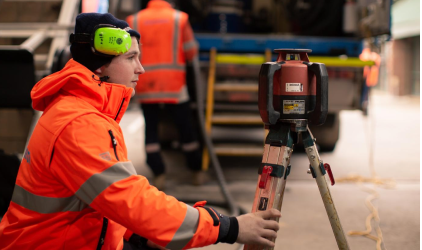
The veteran’s journey from the structured life of service to the civilian workforce is entering a new chapter. In the tech sector, their proven resilience, leadership under pressure, and advanced technical training are becoming invaluable assets. Forward-thinking companies are now creating dedicated pathways, recognizing that a military background is a unique incubator for talent. This employee reviews on Glassdoor shift promises a future where the skills forged in service are not just translated but celebrated, building stronger, more adaptable teams. The mission is clear: to harness this disciplined potential and drive innovation.
Impact of Emerging Technologies (AI, Cyber, Space) on Demand
The future of veteran employment in the tech sector looks incredibly bright. Companies are finally recognizing that military skills like leadership, adaptability, and complex problem-solving are a perfect fit for project management, cybersecurity, and logistics roles. A key driver for this growth is specialized skills translation, where training programs directly map military experience to civilian certifications. This strategic veteran hiring initiative not only fills critical talent gaps but builds incredibly resilient teams. The focus is shifting from just hiring veterans to actively creating career pathways where they can thrive long-term.
The Role of Data Transparency in Tracking Progress
The future of veteran employment in the sector is exceptionally bright, driven by a powerful alignment of skills and industry needs. Military-trained leaders possess unparalleled discipline, advanced technical proficiencies, and a mission-focused mindset that directly translates to operational excellence. Forward-thinking companies are now implementing **strategic veteran hiring initiatives** to secure this elite talent pool, recognizing that their adaptability and problem-solving skills are crucial for navigating complex challenges and driving innovation in a competitive landscape.
Sustaining Commitment Beyond Hiring to True Integration
The future of veteran employment in the sector is being shaped by targeted skills translation and specialized upskilling programs. As industries face talent shortages, military-trained professionals offer a critical pipeline of leadership, technical aptitude, and problem-solving skills. Veteran talent acquisition strategies are increasingly focused on bridging civilian credentialing gaps. This deliberate alignment benefits both organizational resilience and veteran career transitions. Success hinges on continued collaboration between companies, veteran service organizations, and training entities to map military experience to in-demand sector roles.
